


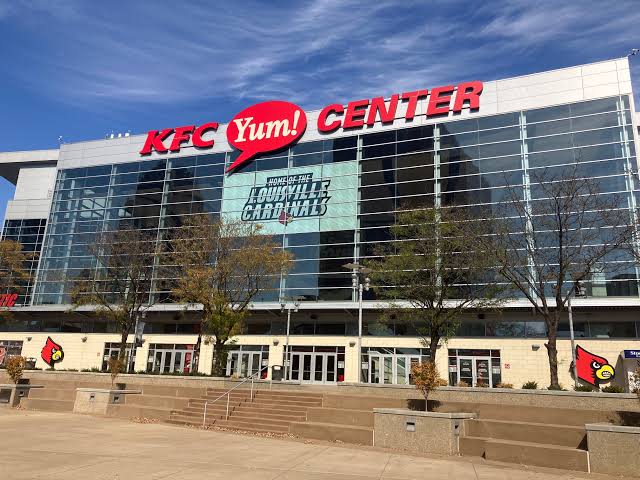

Home to the University of Louisville basketball teams, the arena is a state-of-the-art facility that successfully draws major concerts. However, the TIF structure used to build it became a severe financial burden for the city’s taxpayers.
The Setup: Betting on a Boom
To finance the arena’s construction, Louisville created an unusually massive 6-square-mile TIF district in 2008. The plan was standard: issue municipal bonds to get the upfront cash to build the stadium, and use the anticipated surge in local property and sales taxes within that 6-mile radius to pay off the debt over 30 years.
The projections were incredibly optimistic, assuming steady, aggressive economic growth in downtown Louisville that would easily cover the escalating bond payments.
The Financial Unraveling
When reality failed to meet the aggressive TIF projections, the legal safeguards meant to protect the project ended up punishing the public.
The Great Recession Hits
2008-2010
Just as the bond deal was finalized, the 2008 financial crisis struck. The arena opened in 2010, but the anticipated explosion of surrounding commercial development—hotels, restaurants, and retail—stalled completely.
Massive Revenue Shortfalls
2012-2016
The TIF district drastically underperformed. For example, original estimates projected the TIF would generate over $20 million annually by 2018. In 2012, it generated just $3.5 million. With revenues falling millions short of the required bond payments, credit rating agencies downgraded the arena’s debt to junk status.
The Taxpayer Bailout
2017
Facing an imminent default, Louisville was forced to completely refinance the arena’s debt. To satisfy bondholders, the city had to commit roughly $10.8 million annually from its general fund—money that otherwise would have gone to city services. Because the debt payments were stretched out to 2045, the total projected public cost of the stadium swelled to nearly $1 billion.
The Key Takeaway
The KFC Yum! Center perfectly illustrates the primary danger of TIF financing: the taxpayer backstop.
When the TIF district failed to generate the promised “free” money, the debt did not disappear. Because the city’s credit rating was ultimately on the line, local taxpayers were forced to divert millions of dollars away from standard municipal budgets to bail out a sports facility. It serves as a stark reminder that while TIF relies on private-sector growth, the public assumes almost all of the risk.


