
The rugby can still command attention. The commercial challenge is converting a famous but underused Johannesburg stadium into a venue supporters, sponsors and hospitality buyers consistently choose.
27 September 2026 | SportsRapt
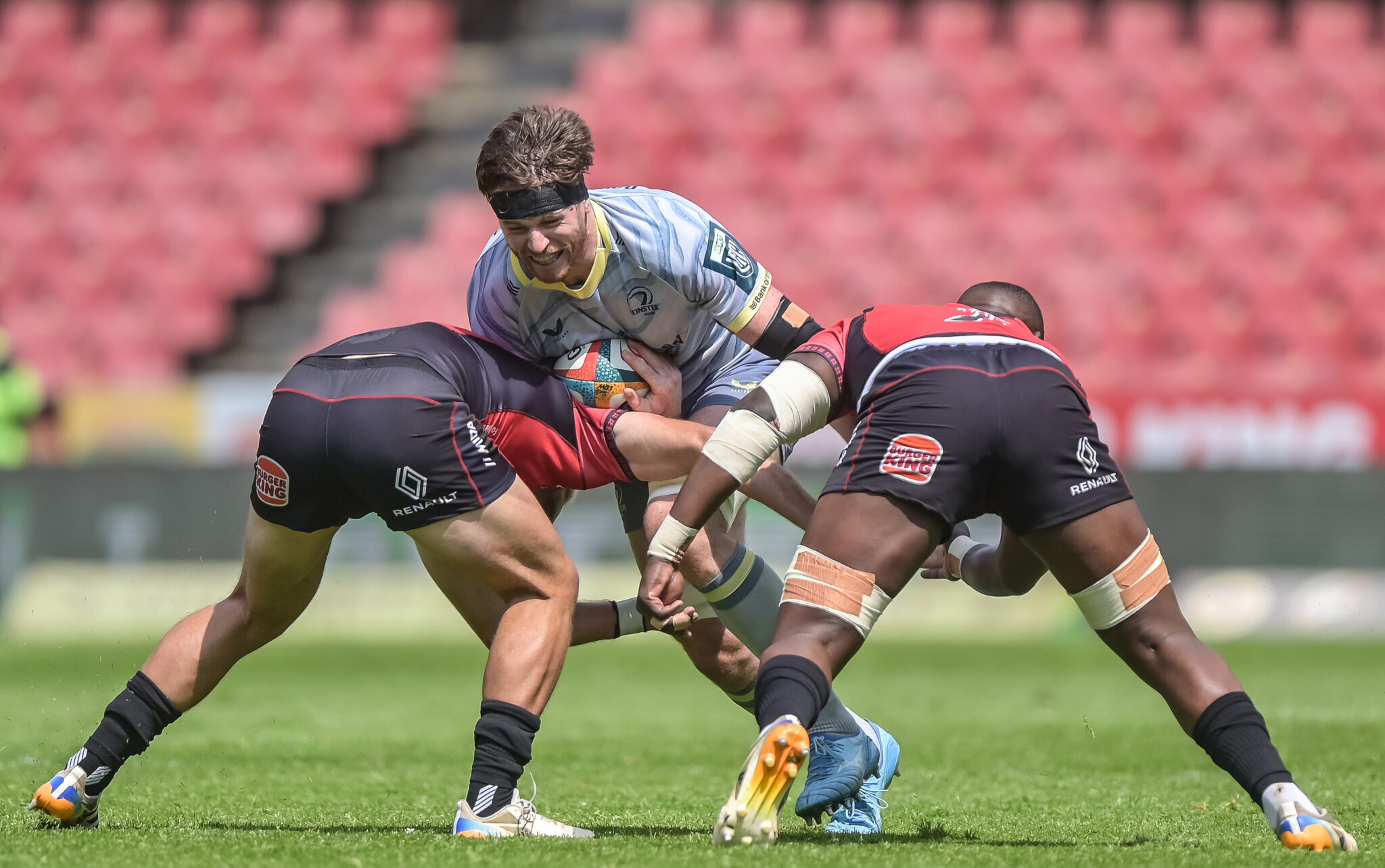
The Lions’ 27–26 victory over defending United Rugby Championship title-holders Leinster on Saturday delivered precisely the sporting drama a stadium sponsor wants: a one-point contest, a successful home side and a result carrying international significance.
It also sharpened the business question confronting 10bet Ellis Park. Can a new naming-rights partnership, an improving team and a premium competition generate enough demand to transform one of African rugby’s most recognisable grounds into a more productive commercial asset?
The Lions’ victory provides a compelling advertisement. Leinster arrived in Johannesburg with a youthful team, but their status and Fintan Gunne’s three-try performance gave the match genuine competitive weight. The Irish province collected two bonus points, while the Lions reinforced the home advantage that saw them lose only once at Ellis Park during the previous campaign.
For Ellis Park’s commercial stakeholders, winning at home matters beyond the league table. It builds habit, strengthens the value of season tickets and gives sponsors more useful stories to activate. But an entertaining match cannot, by itself, resolve the difficult economics of operating a large urban stadium.
Online betting company 10bet secured the venue’s naming rights under a five-year agreement announced on 8 July. The stadium was consequently renamed 10bet Ellis Park. Neither the rights fee nor the wider financial structure was disclosed, so the agreement should not be described as a specific revenue windfall. It is an announced commercial partnership whose ultimate value will depend upon execution.
The 62,500-capacity stadium had been without a naming-rights sponsor after Emirates ended its association with the venue. That makes 10bet’s commitment strategically significant: it restores a commercial identity to an asset with enormous historical recognition but an increasingly difficult relationship with its potential audience.
The size of that challenge was illustrated during the 2025–26 season. Moneyweb reported that only 1,711 spectators attended the Lions’ opening URC fixture, while the club’s largest Ellis Park crowd during that campaign was approximately 12,000. The figures were reported rather than independently audited, but they describe a severe utilisation gap at a venue capable of holding more than five times that larger attendance.
Empty capacity has commercial consequences beyond foregone ticket receipts. It reduces food, beverage and merchandise transactions, weakens demand for parking and hospitality, and can make a television product appear less important than the rugby deserves. It also limits the visible impact of a naming-rights sponsor whose brand is attached not simply to a building, but to the events and atmosphere inside it.
For 10bet, the most useful return will therefore come from frequency and engagement rather than signage alone. Stadium branding supplies television exposure, online references and recurring mentions in match coverage. Sustainable value, however, requires supporters to associate the name with an experience they want to repeat. The relevant measures include ticket conversion, crowd growth, database acquisition, hospitality sales, digital engagement and sponsor activation—not merely the theoretical reach of every broadcast carrying the stadium’s name.
This is where Johannesburg’s venue challenge becomes operational. Concerns about access, parking, security perceptions and the surrounding precinct have repeatedly featured in analysis of Ellis Park’s attendance problem. Discounted tickets will not be sufficient if potential spectators consider the journey inconvenient or the match-day environment uncertain.

A commercially credible recovery plan should begin before supporters reach the turnstiles. Clearly identified park-and-ride services, secure transport partnerships and coordinated arrival routes could be tested against ticket purchases. Pre-match entertainment should be concentrated in controlled areas capable of generating food, beverage and sponsor-activation income. Seating can be consolidated to improve atmosphere and the televised presentation without pretending the entire capacity has been sold.
Pricing also requires greater sophistication than blanket discounting. Entry-level family products, supporter-group allocations and university offers can address volume, while lounges, smaller corporate packages and experience-led hospitality can increase yield. The objective is not simply to put more people in seats; it is to improve total revenue per event while controlling the additional costs of staffing, security, production and transport.
That distinction is essential. Higher ticket sales generate revenue, not automatically profit. If incentives, transport subsidies and match-day operations cost more than the incremental income, the event may look healthier without becoming financially stronger. Ellis Park and the Lions must consequently measure contribution after direct costs, not celebrate gross attendance in isolation.
The wider URC provides evidence that the underlying competition can grow. The league reported a cumulative television audience of 53 million and total attendance of 1.8 million during the 2024–25 season, with average attendance reaching 12,100. Its YouTube output generated 56 million video views, while content monetisation increased by 257%, according to the competition’s figures.
Those numbers are league-wide rather than a guarantee for Johannesburg. They nevertheless show that the Lions operate within a product capable of attracting spectators, broadcasters and digital audiences. The problem is converting that macro-level interest into local transactions.
Saturday’s victory offers a timely starting point. The team has supplied a marketable performance and 10bet has supplied a five-year commercial commitment. The next win must come away from the scoreboard: proving that better access, stronger programming and measurable sponsor delivery can bring supporters back often enough to make Ellis Park’s historic scale economically useful.