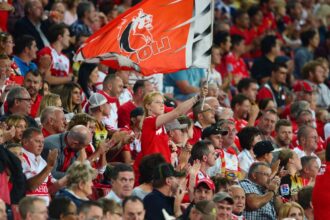

African sport is undergoing a structural shift — not driven by rhetoric or long‑promised reforms, but by a new wave of landmark commercial deals that are finally forcing the continent into the global sports economy. These ten deals, across football, basketball, rugby, media, and tech, are not just transactions; they are signals. Together, they reveal where African sport is heading, who is shaping it, and what the next decade of investment will look like.
- 1. CAF × Saudi Arabia: The New Geopolitical Power Play
- 2. NBA × BAL: The African Basketball Revolution
- 3. FIFA Talent Academies: The Continental Player Pipeline
- 4. MTN × Rugby Africa: Telco Muscle Meets Continental Rugby
- 5. SuperSport × Multi‑Sport Rights Consolidation
- 6. CAF × Puma: Continental Kit Commercialisation
- 7. Morocco’s World Cup Co‑Hosting: Infrastructure as Strategy
- 8. South Africa × LIV Golf / DP World Tour: The New Golf Frontier
- 9. Nigeria × European Football Clubs: The Academy‑to‑Club Pipeline
- 10. Private Capital × African Sports Tech: The Rise of Data & Fan Platforms
- The Editorial Bottom Line
1. CAF × Saudi Arabia: The New Geopolitical Power Play
Saudi Arabia’s multi‑competition partnership with CAF marks the most aggressive external investment into African football in history. It brings cash, political alignment, and a new commercial model that shifts Africa closer to Middle Eastern sports capital. This deal is reshaping tournament hosting, prize money, and continental influence — and it signals that Africa’s future may be tied to Gulf investment.
2. NBA × BAL: The African Basketball Revolution
The Basketball Africa League is the continent’s most successful US‑backed sports project. With NBA governance, private investment, and pan‑African franchise structures, BAL is building a commercially stable league model Africa has long lacked. It is also the first African league with a clear talent‑to‑commerce pipeline, proving that structured governance attracts global capital.
3. FIFA Talent Academies: The Continental Player Pipeline
FIFA’s investment into African academies is quietly transforming youth development. By standardising training, compliance, and data, FIFA is building the continent’s first unified player‑development ecosystem. This will reshape transfer markets, reduce exploitation, and increase Africa’s share of global football revenue.
4. MTN × Rugby Africa: Telco Muscle Meets Continental Rugby
MTN’s sponsorship of Rugby Africa is a turning point for non‑football sports. It signals that telcos — Africa’s most powerful commercial sector — are finally investing in multi‑sport properties. This deal strengthens governance, digital engagement, and broadcast reach, positioning rugby as Africa’s next scalable commercial sport.
5. SuperSport × Multi‑Sport Rights Consolidation
SuperSport’s renewed rights deals across football, rugby, cricket, and athletics remain the backbone of African sports broadcasting. But the shift toward digital streaming and regionalised rights packaging is reshaping how African sport is consumed. This consolidation is creating a more predictable commercial environment for investors.
6. CAF × Puma: Continental Kit Commercialisation
Puma’s multi‑team partnerships across Africa represent a new era of kit‑rights consolidation. Instead of fragmented, country‑by‑country deals, Africa is seeing regional packaging that mirrors European commercial strategy. This increases bargaining power, brand consistency, and revenue stability.
7. Morocco’s World Cup Co‑Hosting: Infrastructure as Strategy
Morocco’s role in the 2030 FIFA World Cup is more than a hosting deal — it is a continental infrastructure statement. Stadiums, transport, hospitality, and tourism investment are positioning Morocco as Africa’s most commercially mature football nation. This deal will reshape how African countries pitch for mega‑events.
8. South Africa × LIV Golf / DP World Tour: The New Golf Frontier
South Africa’s integration into global golf circuits is unlocking a high‑value, high‑tourism sports economy. These deals bring prize money, global broadcast exposure, and elite events — proving that Africa can host commercially viable premium sports properties.
9. Nigeria × European Football Clubs: The Academy‑to‑Club Pipeline
European clubs are signing multi‑year academy partnerships in Nigeria at unprecedented scale. These deals formalise scouting, data tracking, and player development, reducing risk for clubs and increasing revenue for local academies. Nigeria is becoming Africa’s most valuable football talent market.
10. Private Capital × African Sports Tech: The Rise of Data & Fan Platforms
From fan‑engagement platforms to AI‑driven scouting tools, private capital is finally entering African sports tech. These deals are reshaping how rights holders understand fans, value sponsorships, and sell inventory. Data is becoming Africa’s new sports currency — and investors are paying attention.
The Editorial Bottom Line
These ten deals are not isolated wins — they are the early architecture of a new African sports economy. They show a continent moving from fragmented governance to structured commercial partnerships, from talent export to value capture, and from political sport to investable sport.
Africa’s sports future will be built by those who understand these deals, anticipate the next wave, and position themselves at the intersection of governance, capital, and continental ambition.